

Une hydratation quotidienne suffisante est l'une des mesures les plus simples et les plus efficaces que vous puissiez prendre pour votre santé. L'eau représente environ 60 % du corps d'un adulte — un pourcentage plus élevé chez les nourrissons, et légèrement inférieur chez les personnes âgées — et intervient dans pratiquement tous les processus physiologiques, de la régulation de la température corporelle et la facilitation de la digestion au transport des nutriments et à la filtration des déchets par les reins. Pourtant, de nombreuses personnes ne couvrent pas leurs besoins quotidiens sans s'en rendre compte. Ce guide explique la quantité d'eau dont vous avez réellement besoin, les facteurs qui influencent ces besoins et des moyens pratiques pour boire davantage tout au long de la journée.
Quelle quantité d'eau faut-il boire chaque jour?
Il n'existe pas de chiffre unique valable pour tout le monde, mais les recommandations établies constituent un point de départ utile. L'Autorité européenne de sécurité des aliments (EFSA) recommande un apport quotidien total en eau d'environ 2,0 litres pour les femmes et 2,5 litres pour les hommes, toutes sources confondues, y compris l'alimentation. L'Institut américain de médecine (IOM) fixe des valeurs de référence légèrement supérieures : environ 2,7 litres pour les femmes et 3,7 litres pour les hommes. Une règle empirique pratique utilisée par de nombreux cliniciens est de 30 à 35 ml d'eau par kilogramme de poids corporel par jour. Pour un adulte de 70 kg, cela équivaut à environ 2,1 à 2,45 litres. Ces chiffres constituent une référence pour les personnes sédentaires vivant dans des climats tempérés — la quantité réelle nécessaire augmente avec l'activité physique, la chaleur, la maladie, et plusieurs autres facteurs abordés ci-dessous.
Qu'est-ce qui influence vos besoins quotidiens en eau?
Les besoins en hydratation sont très individuels. Plusieurs facteurs peuvent augmenter considérablement la quantité d'eau dont votre corps a besoin:
- Activité physique — l'exercice physique augmente les pertes de liquide par la transpiration. Même une activité physique modérée dans un environnement frais peut augmenter les besoins de 0,5 à 1 litre, voire plus; un entraînement intense par temps chaud peut nécessiter beaucoup plus.
- Climat et température — les environnements chauds ou humides accélèrent la transpiration et augmentent les pertes quotidiennes, parfois de manière significative.
- Âge — les nourrissons ont une teneur en eau proportionnellement plus élevée et perdent des liquides plus rapidement; les personnes âgées ont souvent une sensation de soif diminuée, ce qui les rend plus susceptibles TiB de se déshydrater sans s'en rendre compte.
- Sexe — les hommes ont généralement des besoins en eau plus élevés en raison d'une masse musculaire maigre plus importante, qui contient plus d'eau que les tissus adipeux.
- Choix alimentaires — les régimes riches en protéines, en sel, ou en sucre augmentent la charge de travail des reins et les besoins en liquides. La caféine et l'alcool ont tous deux des effets diurétiques qui augmentent l'excrétion de liquide.
- État de santé — la fièvre, les vomissements, la diarrhée, et certaines affections chroniques (, notamment les maladies rénales et le diabète), peuvent considérablement augmenter les besoins en liquides ou affecter la capacité de l'organisme à les gérer.
- La grossesse et l'allaitement — augmentent tous deux les besoins en liquides, l'allaitement ajoutant environ 0,7 litre par jour au-delà de la valeur de référence.
L'eau dans les aliments : il ne s'agit pas seulement de boire
Environ 20 à 30 % de l'apport quotidien en eau provient généralement des aliments plutôt que des boissons. Les fruits et légumes sont les principaux contributeurs : la pastèque, les fraises, les concombres, les tomates, et les oranges contiennent tous plus de 90 % d'eau en poids. Les soupes, les bouillons, les yaourts, et les produits laitiers constituent également des sources importantes. Une alimentation riche en aliments végétaux complets peut donc contribuer de manière substantielle à l'hydratation quotidienne sans que vous ayez à compter chaque verre d'eau que vous buvez.
Les bienfaits d'une bonne hydratation
Les effets d'une bonne hydratation vont bien au-delà de la simple satisfaction de la soif. Un apport quotidien adéquat en liquides favorise les fonctions cognitives — même une légère déshydratation de 1 à 2 % du poids corporel peut altérer la concentration, la mémoire à court terme, et l'humeur. Elle favorise les performances physiques, en aidant à maintenir l'endurance et la coordination pendant l'exercice. Elle facilite la digestion et aide à prévenir la constipation en assurant le bon fonctionnement du tube digestif. Elle contribue à une peau d'apparence saine en maintenant l'hydratation des tissus. Elle soutient également la fonction rénale, en aidant à éliminer les déchets et en réduisant le risque de formation de calculs rénaux chez les personnes prédisposées.
Conseils pratiques pour boire plus d'eau
Savoir qu'il faut boire plus d'eau et le faire réellement de manière régulière sont deux choses différentes. Ces stratégies fonctionnent bien dans la pratique:
- Commencez la journée par un verre d'eau — boire un verre d'eau dès le réveil aide à se réhydrater après le jeûne nocturne et instaure une habitude positive pour la journée.
- Emportez une bouteille d'eau — avoir de l'eau à portée de main est le moyen le plus fiable d'augmenter votre consommation. Une bouteille avec des graduations permet de suivre facilement vos progrès. Découvrez notre collection de gourdes pour des options pratiques.
- Buvez un verre avant chaque repas — cette habitude simple garantit au moins trois verres supplémentaires par jour, et peut également aider à contrôler les portions.
- Programmez des rappels — les alarmes de téléphone ou les applications dédiées à l'hydratation sont particulièrement utiles pour les personnes qui ont tendance à se plonger dans leur travail et à oublier de boire.
- Aromatisez votre eau naturellement — si l'eau plate vous semble fade, ajoutez des tranches de citron, de concombre, de menthe fraîche, ou des baies. Cela ne coûte rien et améliore considérablement le goût pour beaucoup de gens.
- Mangez davantage d'aliments riches en eau — augmenter votre consommation de fruits, de légumes, de soupes, et de smoothies contribue de manière significative à votre apport quotidien en liquide sans que cela ne devienne une corvée.
- Buvez avant, pendant, et après l'exercice — n'attendez pas d'avoir soif pendant l'activité physique. La sensation de soif survient après la déshydratation effective, en particulier lors d'un exercice intense ou prolongé.
Apprendre aux enfants à boire plus d'eau
Adopter dès le plus jeune âge de saines habitudes d'hydratation fait une différence durable. Pour les enfants, l'approche la plus efficace combine l'accessibilité, la régularité, et le fait de rendre l'eau véritablement attrayante. Veillez à ce que de l'eau soit disponible à tout moment — les enfants se servent de ce qui est à portée de main. Utilisez des bouteilles et des tasses colorées ou à l'effigie de personnages pour rendre l'eau plus attrayante. Ajoutez des fruits ou du concombre à l'eau pour lui donner du goût. Donnez l'exemple vous-même. Limitez l'accès aux boissons sucrées et faites de l'eau la boisson par défaut lors des repas et des collations. Récompenser progressivement de petits objectifs d'hydratation peut également aider, en particulier chez les jeunes enfants qui réagissent bien aux progrès visibles.
Hydratation pendant le sport : l'importance des électrolytes
Lors d'une activité physique intense ou prolongée, l'hydratation ne se limite pas à l'eau. La sueur contient non seulement du liquide, mais aussi des électrolytes — principalement du sodium, du potassium, du magnésium et du chlorure — qui sont essentiels à la contraction musculaire, à la transmission nerveuse et à l'équilibre hydrique. Se contenter de boire de l'eau après un effort prolongé sans reconstituer les électrolytes peut diluer le taux de sodium dans le sang, ce qui, dans les cas extrêmes, conduit à une hyponatrémie — une affection potentiellement grave caractérisée par des nausées, des maux de tête et, dans les cas graves, des complications neurologiques.
Pour les séances d'entraînement d'une durée supérieure à 60–90 minutes, ou dans des conditions chaudes et humides, les boissons isotoniques ou les compléments électrolytiques peuvent être plus efficaces que l'eau seule pour maintenir les performances et la r Ecover y. Notre gamme de boissons isotoniques comprend des options adaptées à différents niveaux d'activité. Pour un apport ciblé en minéraux, notre section de compléments minéraux propose du magnésium, du potassium, et des complexes d'électrolytes provenant de marques de confiance.


BeKeto
BeKeto Ketolytes Electrolyte Replenisher - 90 Capsules
Prix habituel €17.29Prix unitaire€0.19 pièce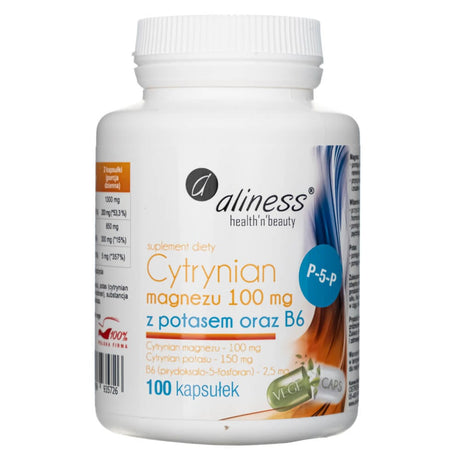


Aliness
Aliness Citrate de magnésium 100 mg avec Potassium 150 mg, B6 ( P-5-P ) - 100 Veg Capsules
Prix habituel €11.79Prix unitaire€0.12 pièce


Now Foods
Now Foods Citrate de potassium 99 mg - 180 Veg Capsules
Prix habituel €11.29Prix unitaire€0.06 pièce
Now Foods
Now Foods Full Spectrum Mineral - 120 Veg Capsules
Prix habituel €15.09Prix unitaire€0.13 pièce


Quelle quantité d'eau est excessive?
Pour les adultes en bonne santé, boire plus d'eau que ce dont le corps a besoin est généralement sans danger — l'excès de liquide est simplement éliminé. Cependant,, la consommation de quantités extrêmement importantes en peu de temps (généralement plus de 6 à 8 litres par jour, ou bien moins dans le cadre d'un sport d'endurance sans apport en électrolytes) peut dépasser la capacité des reins à excréter le liquide, entraînant une hyponatrémie comme décrit ci-dessus. Ce phénomène est rare dans des circonstances normales et ne pose pratiquement jamais de problème dans le cadre d'une consommation quotidienne normale. Il suffit, pour la grande majorité des personnes, d'écouter sa soif, de surveiller la couleur de l'urine, et d'adapter son apport en fonction de l'activité et des conditions climatiques.
Cet article est fourni à titre informatif et ne remplace pas un avis médical. En cas de problème de santé, de grossesse, d’allaitement ou de prise de médicaments, consultez un médecin ou un pharmacien. Les compléments alimentaires ne remplacent pas une alimentation variée.


