

L'indice glycémique (IG) est l'un des outils nutritionnels les plus pratiques pour gérer la glycémie, l'équilibre énergétique, et la santé métabolique à long terme. Que vous cherchiez à prévenir la résistance à l'insuline, à gérer un diabète de type 2 existant, à maintenir votre énergie tout au long de la journée, ou simplement à manger de manière plus réfléchie, il est vraiment utile de comprendre comment les différents aliments affectent la glycémie. Ce guide explique ce qu'est l'indice glycémique, ce qui le détermine, comment l'utiliser dans la pratique, et quels compléments alimentaires peuvent favoriser un métabolisme du glucose sain.
Qu'est-ce que l'indice glycémique?
L'indice glycémique est une échelle de 0 à 100 qui classe les aliments contenant des glucides en fonction de la rapidité et de l'ampleur de l'augmentation de la glycémie après leur consommation. Le point de référence est le glucose pur, auquel est attribué un IG de 100. Les aliments sont classés comme suit :
- IG faible (55 ou moins) — provoquent une augmentation lente et progressive de la glycémie
- IG moyen (56–69) — provoquent une augmentation modérée
- IG élevé (70 et plus) — provoquent une augmentation rapide et brutale de la glycémie
Les aliments sans glucides ou dont la teneur en glucides est négligeable — tels que la viande, le poisson, les œufs, les huiles, et la plupart des légumes non féculents — ont un IG de zéro, car ils n’ont pas d’effet significatif sur la glycémie.
Pourquoi les pics rapides de glycémie posent-ils problème?
Lorsque vous consommez un aliment à IG élevé, la glycémie augmente rapidement, ce qui déclenche un pic correspondant d'insuline — l'hormone chargée de transporter le glucose de la circulation sanguine vers les cellules. Cette hausse rapide est souvent suivie d'une chute tout aussi rapide de la glycémie, ce qui peut entraîner des baisses d'énergie, une faim renouvelée, de l'irritabilité, et des difficultés de concentration dans les deux heures suivant le repas.
Au fil du temps,, des pics de glucose importants et répétés sollicitent continuellement le pancréas et peuvent contribuer à une résistance à l'insuline — un état dans lequel les cellules deviennent progressivement moins réactives aux signaux de l'insuline, nécessitant des quantités toujours plus importantes pour obtenir le même effet. La résistance à l'insuline est un précurseur clé du diabète de type 2, et est également associée à un risque cardiovasculaire accru, à une inflammation chronique de faible intensité, et à une prise de poids au niveau de l'abdomen.
Qu'est-ce qui influence l'indice glycémique d'un aliment?
L'IG d'un aliment n'est pas fixe — il est influencé par plusieurs facteurs qui vont au-delà de l'aliment lui-même:
- Type de glucides — les sucres simples (, le glucose, et le saccharose) ont un IG plus élevé que les glucides complexes. Les sources alimentaires complètes d'amidon, telles que les légumineuses, ont tendance à avoir un IG plus faible que les produits à base de céréales raffinées.
- Teneur en fibres — les fibres solubles, en particulier, ralentissent la digestion et l'absorption du glucose, ce qui abaisse l'IG du repas.
- Protéines et lipides — ces deux macronutriments ralentissent la vidange gastrique et la digestion des glucides, réduisant ainsi l'IG effectif d'un repas mixte.
- Acides organiques — le vinaigre, le jus de citron, et les aliments fermentés contiennent des acides qui ralentissent la digestion de l'amidon et réduisent la réponse glycémique.
- Mode de cuisson — la cuisson gélatinise l'amidon et augmente généralement l'IG. Les pommes de terre bouillies ont un IG plus élevé que les pommes de terre crues; les pâtes trop cuites ont un IG plus élevé que les pâtes al dente.
- Degré de transformation — les aliments finement moulus ou réduits en purée se digèrent plus rapidement et ont un IG plus élevé que leurs équivalents entiers. La purée de pommes de terre a un IG nettement plus élevé que les pommes de terre bouillies; les flocons d'avoine instantanés ont un IG plus élevé que les flocons d'avoine coupés à l'ancienne.
- Refroidissement après la cuisson — le refroidissement des féculents cuits (pommes de terre, riz, pâtes) favorise la formation d’amidon résistant, qui est digéré plus lentement et abaisse l’IG effectif.
Classifications de l'IG: exemples d'aliments
IG faible (55 ou moins)
Légumes-légumes non féculents (brocoli, épinards, courgettes, poivrons, concombres), la plupart des légumineuses (lentilles, pois chiches, haricots blancs et noirs, graines de soja), céréales complètes intactes (orge, sarrasin, quinoa, riz complet), baies, pommes, poires, prunes, cerises, pamplemousse, yaourt nature UNS, et lait entier.
IG moyen (56–69)
Riz basmati, couscous complet, boulgour, pommes de terre nouvelles bouillies, patate douce, ananas, mangue, kiwi, papaye, melon, yaourt sucré, et flocons d'avoine instantanés.
IG élevé (70 et plus)
Pain blanc et la plupart des produits à base de farine raffinée, riz blanc, cornflakes et céréales soufflées, pastèque, dattes, raisins secs, frites, chips, purée de pommes de terre, boissons sucrées, jus de fruits avec sucre ajouté, et la plupart des confiseries.
IG nul
Viande, poisson, fruits de mer, œufs, fromages à pâte dure, beurre, crème, huiles, noix et graines, légumes verts à feuilles et la plupart des légumes non féculents, eau, UNS thé et café sucrés. Ces aliments contiennent une quantité négligeable de glucides et n'augmentent pas la glycémie.
Conseils pratiques pour un régime à faible IG
Adopter une approche à faible IG ne nécessite pas de compter les chiffres à chaque repas. Quelques principes simples s'appliquent à la plupart des situations :
- Privilégiez les versions à grains entiers du pain, des pâtes, et du riz plutôt que leurs équivalents raffinés — ou remplacez-les par des légumineuses ou des légumes-racines.
- Intégrez toujours une source de protéines et une source de lipides ou de fibres à chaque repas; c'est le moyen le plus fiable de réduire l'impact glycémique de ce que vous mangez.
- Évitez de trop transformer les aliments — mangez des pommes de terre bouillies plutôt qu’en purée, de l’avoine sous forme de grains entiers ou concassés plutôt qu’instantanée, et des fruits entiers plutôt que sous forme de jus.
- Utilisez des vinaigrettes à base de vinaigre ou ajoutez du jus de citron à vos repas — ces deux éléments réduisent sensiblement la réponse glycémique.
- Laissez refroidir les féculents cuits avant de les manger, ou réchauffez-les après les avoir laissés refroidir, pour augmenter leur teneur en amidon résistant.
- Mangez lentement et mâchez bien — le rythme de consommation influence le taux de glucose postprandial indépendamment de la composition des aliments.
Exemple de journée alimentaire à faible IG
Petit-déjeuner: porridge de flocons d'avoine préparé avec du UNS lait végétal sucré, garni d'une poignée de baies fraîches, de noix hachées, et d'une cuillerée de yaourt nature.
Collation en milieu de matinée: une pomme accompagnée d’une petite poignée d’amandes.
Déjeuner: poulet grillé avec du quinoa et du brocoli cuit à la vapeur, assaisonné d'huile d'olive et de jus de citron.
Collation de l'après-midi: bâtonnets de carottes avec du houmous.
Dîner: salade de lentilles avec de l'avocat, des tomates cerises, un mélange de feuilles vertes, de l'huile d'olive, et une vinaigrette au citron.
Compléments alimentaires pouvant favoriser un métabolisme glucidique sain
L'alimentation est la base du contrôle glycémique, mais certains nutriments et composés botaniques bien étudiés jouent un rôle de soutien. Plusieurs d'entre eux sont associés à une amélioration de la sensibilité à l'insuline, à une réduction des pics de glycémie postprandiaux, ou à une modulation de l'absorption des glucides.
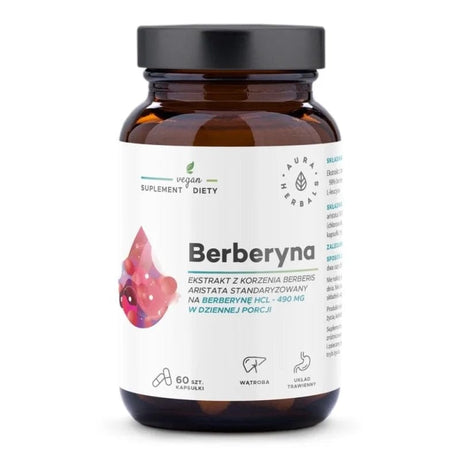
La berbérine figure parmi les composés naturels les plus étudiés pour la gestion de la glycémie, avec un corpus important de recherches examinant ses effets sur le métabolisme du glucose et de l'insuline. Le chrome est un oligo-élément qui contribue au métabolisme normal des macronutriments; l'allégation de santé autorisée par l'UE pour le chrome indique qu'il « contribue au métabolisme normal des macronutriments et au maintien d'une glycémie normale ». L'acide alpha-lipoïque (ALA) est un antioxydant qui fait l'objet de recherches dans le domaine de la santé métabolique. Le mûrier blanc, souvent associé à la cannelle et au chrome, bénéficie d'un soutien à la fois traditionnel et issu de recherches récentes quant à son rôle dans la modulation de la digestion des glucides. Le Gymnema sylvestre est une plante ayurvédique traditionnelle utilisée depuis des siècles pour réguler la glycémie. La fibre de cosse de psyllium apporte une fibre soluble visqueuse qui ralentit l'absorption du glucose lorsqu'elle est prise avant ou pendant les repas.
Parcourez nos compléments alimentaires à base de berbérine et suppléments de chrome pour des options soigneusement sélectionnées parmi des marques internationales de confiance.


Aliness
Aliness White Mulberry 4:1 with Cinnamon and Chromium - 180 Tablets
Prix habituel €12.09Prix unitaire€0.07 pièce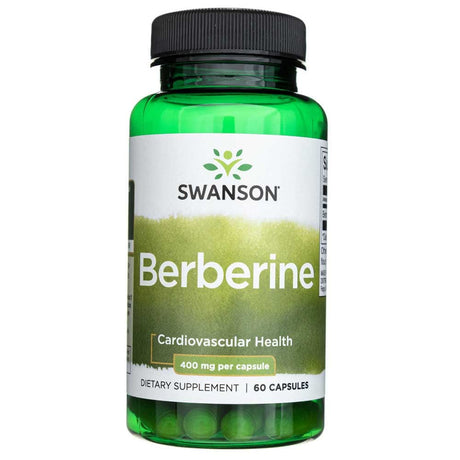


Aura Herbals
Aura Herbals Berberine ( Berberis aristata ) 500 mg - 60 Capsules
Prix habituel €10.99Prix unitaire€0.18 pièce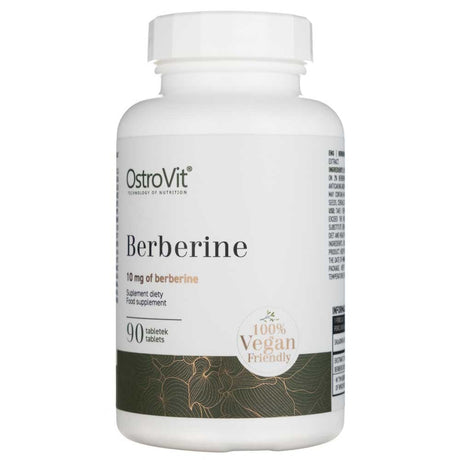


 10% de réduction
OstroVit
Ostrovit Berberine 500 mg - 90 Comprimés
Prix soldé €6.11 Prix habituel €6.79Prix unitaire€0.07 pièce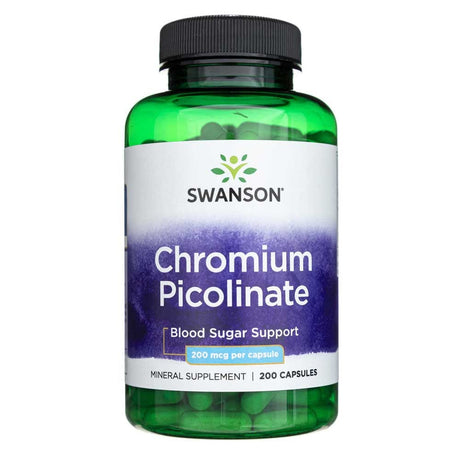


Swanson
Swanson Chromium Picolinate 200 mcg - 200 Capsules
Prix habituel €5.99Prix unitaire€0.03 pièce
Now Foods
Now Foods Chromium Picolinate 200 mcg - 100 Veg Capsules
Prix habituel €5.49Prix unitaire€0.05 pièce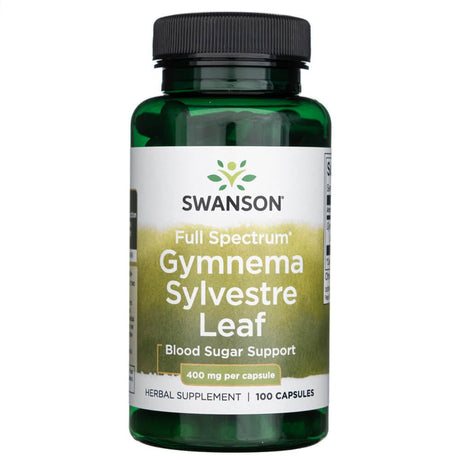


Swanson
Swanson Full Spectrum Gymnema Sylvestre Leaf 400 mg - 100 Capsules
Prix habituel €4.89Prix unitaire€0.05 pièce
Solgar
Solgar Fibre d'écorce de psyllium 500 mg - 200 Veg Capsules
Prix habituel €26.09Prix unitaire€0.13 pièce


Cet article est fourni à titre informatif et ne remplace pas un avis médical. En cas de problème de santé, de grossesse, d’allaitement ou de prise de médicaments, consultez un médecin ou un pharmacien. Les compléments alimentaires ne remplacent pas une alimentation variée.


