

La saison des tiques en Europe s'étend désormais pratiquement toute l'année dans les régions au climat plus doux, avec un pic d'activité du printemps à l'automne. Pour les propriétaires de chiens et de chats, cela soulève une question récurrente: qu'est-ce qui fonctionne réellement, et quelle est la bonne combinaison de méthodes? Ce guide compare les principales approches — méthodes à base de plantes/compléments alimentaires, répulsifs à ultrasons et traitements topiques — avec des évaluations honnêtes de leur pertinence respective.
Comprendre la menace: Pourquoi la protection contre les tiques est-elle importante?
Les tiques transmettent toute une série de maladies aux chiens et aux chats, notamment la maladie de Lyme (, Borrelia burgdorferi), l'anaplasmose, la babésiose, et l'ehrlichiose. Le risque dépend de la situation géographique, de la période de l'année, et du temps que votre animal passe à l'extérieur dans des zones boisées ou herbeuses. Dans certaines régions d'Europe centrale et septentrionale, les populations de tiques ont augmenté tant en nombre qu'en durée de leur saison d'activité. Attendre le printemps pour penser à la protection n'est de plus en plus pas Enough.
Aucune méthode ne garantit une protection à 100 %. L'approche la plus efficace pour la plupart des animaux de compagnie combine une méthode qui réduit la fixation des tiques avec une autre qui renforce la résilience globale de l'animal — et des contrôles systématiques après chaque promenade, quoi qu'il arrive.
Approches à base de plantes et d'herbes
Cistus (Cistus incanus) — Ce que disent réellement les preuves
Cistus incanus, le ciste rose, fait désormais l'objet de nombreuses discussions dans le contexte de la répulsion naturelle des tiques. Cette plante est riche en polyphénols, et l'hypothèse est que sa consommation régulière modifie le profil olfactif des sécrétions cutanées de l'animal, le rendant moins attractif pour les tiques. Les témoignages anecdotiques de propriétaires de chiens sont nombreux, et certaines recherches préliminaires corroborent les propriétés antiparasitaires des extraits de ciste. Cependant, il est important d'être clair: le ciste n'est pas un moyen préventif contre les tiques dont l'efficacité a été prouvée. Il doit être considéré comme une mesure d'accompagnement — susceptible de réduire la charge parasitaire lorsqu'il est associé à d'autres protections — plutôt que comme une solution complète.
Le ciste est généralement administré sous forme de tisane (ajoutée à l'eau ou à la nourriture), d'herbe séchée mélangée aux repas, ou de complément concentré. Si vous l'utilisez pour un animal de compagnie, procurez-vous toujours des produits formulés ou testés pour un usage animal, et consultez votre vétérinaire pour connaître la posologie appropriée en fonction du poids.
Traitements spot-on à base d'huile de géranium
Une option naturelle plus concrète est le Pess Bio Spot-On, qui utilise de l'huile de géranium (, un acaricide naturel), combinée à de la diméthicone pour former une barrière physique. Ce produit s'applique directement sur la peau entre les omoplates — selon la même méthode d'application que les traitements spot-on conventionnels — et offre une approche sans produits chimiques pour repousser les tiques et les puces. Il est formulé pour les chiens de taille moyenne et grande (10–20 kg). Pour les propriétaires qui souhaitent spécifiquement éviter les pesticides synthétiques, il s'agit de l'une des rares options topiques contenant un ingrédient actif naturel clairement identifié.
Les répulsifs à ultrasons contre les tiques
Tickless utilisent des ondes ultrasoniques pour désorienter les tiques et perturber leur capacité à localiser un hôte. Ils ne nécessitent aucun produit chimique, aucune application, et aucun remplacement régulier — juste un changement de pile tous les quelques mois. La gamme Tickless Pet se fixe directement au collier et est disponible en plusieurs coloris. Le Tickless Pet Mini est une option plus compacte pour les petits chiens.
Les répulsifs à ultrasons conviennent particulièrement aux propriétaires recherchant une approche totalement sans produits chimiques, pour les animaux de compagnie présentant des sensibilités cutanées qui excluent les traitements topiques conventionnels, ou comme couche de protection en complément d'autres méthodes. Les données scientifiques sont plus limitées que pour les traitements chimiques, et ils sont plus efficaces en combinaison avec d'autres mesures qu'en tant que seule défense.
Prendre soin de la santé de votre animal tout au long de l'année
Au-delà de la prévention directe contre les tiques, la santé générale et la résilience immunitaire d'un animal influencent la façon dont son organisme réagit à l'exposition aux parasites et à toute infection susceptible de survenir. Quelques compléments alimentaires à connaître:
Huiles de poisson et de saumon riches en oméga-3 — Pokusa et Pifpaw proposent toutes deux des huiles de poisson et de saumon de qualité alimentaire humaine spécialement formulées pour les animaux de compagnie. Les acides gras oméga-3 favorisent la santé de la peau et du pelage, réduisent l'inflammation, et contribuent au bon fonctionnement du système immunitaire. Une peau saine constitue également une barrière physique plus efficace. L'huile de saumon Atlantic Treat est une option 100 % pure adaptée aux chiens et aux chats.
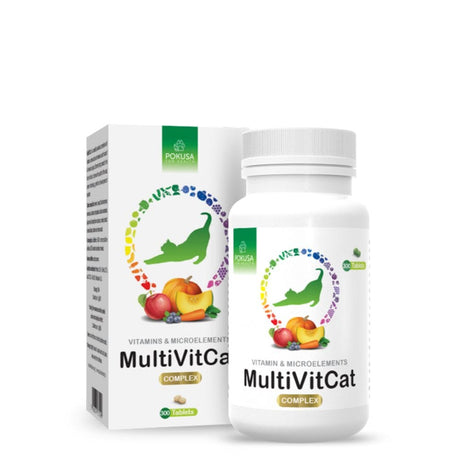
Multivitamines pour chiens et chats — Pokusa GreenLine MultiVit Dog et MultiVit Cat fournissent un apport quotidien complet en micronutriments qui soutient la santé générale tout au long de la saison des tiques et au-delà.
Soutien apaisant — Pour les animaux de compagnie qui deviennent anxieux ou stressés (, ce qui peut affecter la fonction immunitaire), Les comprimés apaisants Pokusa GreenLine NoStress offrent une approche naturelle pour favoriser l'équilibre du système nerveux.


Tickless
Tickless Pet Ultrasonic tick repellent for dogs - Orange
Prix habituel €34.19Prix unitaire
 10% de réduction
Tickless
Tickless Eco Pet Répulsif à tiques à ultrasons - Marron
Prix soldé €30.27 Prix habituel €33.69Prix unitaire


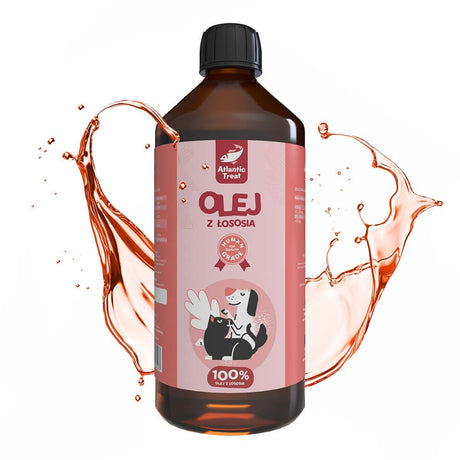


Atlantic Treat
Atlantic Treat Huile de saumon 100% pour chien et chat - 1000 ml
Prix habituel €10.59Prix unitaire€10.59 /L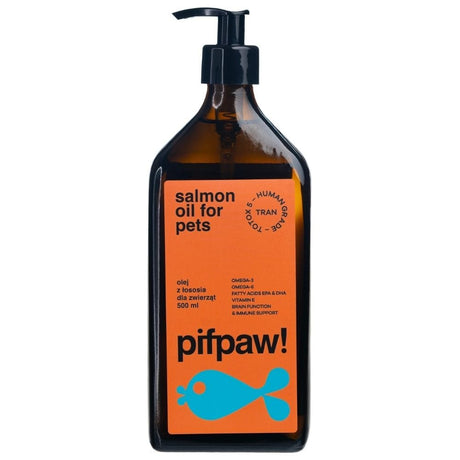


Wellbear
Pifpaw Salmon Oil for Pets Human Grade - 500 ml
Prix habituel €11.19Prix unitaire€22.38 /L


 5% de réduction
Pokusa for Health
Pokusa GreenLine MultiVit Chat - 300 comprimés
Prix soldé €7.68 Prix habituel €8.09Prix unitaire€0.03 pièce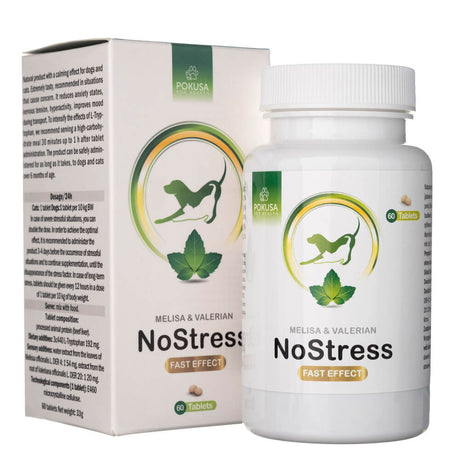


Pokusa for Health
Pokusa GreenLine NoStress Calming Tablets - 60 Tablets
Prix habituel €9.49Prix unitaire€0.16 pièce


Wellbear
Pifpaw Cod Liver Oil for Pets Human Grade - 500 ml
Prix habituel €20.89Prix unitaire€41.78 /L

Life Extension
Life Extension Mélange pour chien - 100 g
Prix habituel €21.09Prix unitaire€21.09 /100 g


Après la promenade: La vérification des tiques est indispensable
Aucun répulsif ni aucune mesure préventive n'élimine totalement la présence de tiques. Après chaque promenade dans des zones boisées, herbeuses, ou de broussailles, examinez minutieusement votre animal — en particulier autour de la tête, du cou, des oreilles, des aisselles, de l'aine, et entre les orteils. Les tiques doivent être retirées rapidement à l'aide d'un outil approprié, en les saisissant le plus près possible de la peau et en les tirant d'un coup sec sans les tordre. Plus une tique est retirée rapidement après s'être accrochée, plus le risque de transmission de maladies est faible.
Pour découvrir la gamme complète de produits de santé pour animaux de compagnie disponibles chez Medpak, rendez-vous sur notre site , notre collection de compléments alimentaires pour animaux et notre site gamme complète pour animaux de compagnie.
Cet article est fourni à titre informatif et ne remplace pas un avis médical. En cas de problème de santé, de grossesse, d’allaitement ou de prise de médicaments, consultez un médecin ou un pharmacien. Les compléments alimentaires ne remplacent pas une alimentation variée.


