

Les fibres alimentaires comptent parmi les nutriments les plus systématiquement sous-consommés dans l'alimentation européenne moderne — pourtant, les preuves de leurs bienfaits pour la santé sont parmi les plus solides de la science nutritionnelle. De la régularité digestive à la gestion du cholestérol, en passant par le contrôle de la glycémie, et le soutien du microbiome intestinal, le rôle des fibres dans la santé va bien au-delà de la simple prévention de la constipation. Comprendre ce que sont les fibres, comment leurs deux principaux types agissent différemment, et comment garantir un apport quotidien adéquat est l'une des mesures les plus concrètes que chacun peut prendre pour son bien-être à long terme.
Qu'est-ce que la fibre alimentaire?
La fibre alimentaire désigne les composants glucidiques non digestibles des aliments végétaux — les polysaccharides structurels et de réserve ainsi que la lignine — qui traversent l'intestin grêle pratiquement intacts et atteignent le gros intestin où ils sont partiellement ou entièrement fermentés par les bactéries intestinales. Contrairement aux protéines, aux graisses et aux glucides digestibles, les fibres ont une faible valeur calorique directe, mais elles remplissent un large éventail de fonctions physiologiques que les nutriments digestibles ne remplissent pas.
Les fibres se trouvent exclusivement dans les aliments végétaux. Elles sont présentes dans les parois cellulaires des légumes, des fruits, des légumineuses et des céréales complètes. Le raffinage et la transformation éliminent une grande partie des fibres des aliments : le pain blanc, le riz blanc et la plupart des snacks transformés ne contiennent qu'une fraction des fibres présentes dans leurs équivalents non transformés. C'est la principale raison pour laquelle l'apport moyen en fibres en Europe est bien inférieur aux niveaux recommandés, malgré un apport énergétique alimentaire global adéquat.
Fibres solubles vs insolubles : deux types, deux fonctions différentes
Fibres solubles
Fibres solubles — notamment les pectines, le bêta-glucane, l’inuline, la gomme de guar, et diverses hémicelluloses — se dissolvent dans l’eau pour former un gel visqueux dans le tractus gastro-intestinal. Ce gel a plusieurs effets physiologiques importants :
- Liaison du cholestérol — les fibres solubles, en particulier le bêta-glucane (présent dans l’avoine) et la pectine, se lient aux acides biliaires dans l’intestin et empêchent leur réabsorption, ce qui incite le foie à utiliser le cholestérol pour produire de nouveaux acides biliaires. Ce mécanisme favorise le maintien d'un taux normal de cholestérol LDL — allégation de santé approuvée par l'UE pour le bêta-glucane d'avoine à raison de 3 g/jour.
- Régulation de la glycémie — le gel ralentit la vidange gastrique et retarde l'absorption du glucose, réduisant ainsi l'impact glycémique des repas et favorisant une glycémie postprandiale plus stable
- Satiété — le volume physique et le transit ralenti des repas contenant des fibres solubles contribuent à prolonger la sensation de satiété, favorisant ainsi la régulation de l'appétit et la gestion du poids
- Effet prébiotique — les fibres solubles fermentescibles (l'inuline, les FOS, la pectine, le guar) sont fermentées par les bactéries coliques pour produire des(AGCC), en particulier le butyrate, le propionate, et l’acétate, qui nourrissent la muqueuse intestinale et favorisent un microbiote intestinal diversifié, et sain
Fibres insolubles
Les fibres insolubles — notamment la cellulose, les hémicelluloses insolubles, et la lignine — ne se dissolvent pas dans l'eau mais l'absorbent, augmentant ainsi le volume des selles et accélérant leur transit dans le côlon. Leurs rôles principaux sont les suivants :
- Régularité — les fibres insolubles augmentent le volume physique des selles, ce qui facilite leur évacuation et réduit le temps que les déchets passent dans le côlon
- Détoxification — en réduisant le temps de transit intestinal, les fibres insolubles limitent l'exposition de la paroi intestinale à des substances potentiellement cancérigènes et à des déchets toxiques
- Santé du côlon — les données à l'échelle de la population établissent systématiquement un lien entre une consommation plus élevée de fibres insolubles et des taux plus faibles de cancer colorectal, probablement grâce aux effets combinés du temps de transit, de la production d'AGCC, et de la dilution du contenu intestinal
La plupart des aliments végétaux contiennent à la fois des fibres solubles et insolubles dans des proportions variables. L'avoine et les légumineuses sont particulièrement riches en fibres solubles; le son de blé et la plupart des légumes sont plus riches en fibres insolubles. Une alimentation variée à base d'aliments complets fournit naturellement ces deux types de fibres.
De combien de fibres avez-vous besoin?
Les recommandations actuelles de l'Autorité européenne de sécurité des aliments (EFSA) fixent un apport adéquat de 25 g de fibres alimentaires par jour pour les adultes, des recherches suggérant que des apports plus élevés — jusqu'à 30–38 g/jour — sont associées à des bienfaits supplémentaires pour la santé. Une règle empirique pratique utilisée par certains diététiciens est de 14 g pour 1 000 kcal d'apport énergétique quotidien.
L'apport réel moyen en fibres dans la plupart des populations européennes est nettement inférieur à ces chiffres — généralement 15 à 20 g/jour. L'écart entre l'apport actuel et l'apport recommandé représente l'une des carences nutritionnelles les plus courantes et les plus préjudiciables dans l'alimentation moderne. Augmenter l'apport en fibres — même partiellement pour se rapprocher de l'objectif — présente des bienfaits mesurables pour la santé. Les meilleures sources alimentaires de fibres alimentaires Les aliments complets les plus riches en fibres comprennent : les légumineuses — les lentilles, les pois chiches, les haricots rouges, les haricots noirs, et les pois cassés comptent parmi les sources les plus riches en fibres disponibles, fournissant 7à 10 g pour 100 g cuits
Compléments alimentaires à base de fibres
Pour les personnes dont l'alimentation ne permet pas d'atteindre les apports recommandés en fibres — que ce soit en raison de préférences alimentaires, de troubles digestifs, ou de contraintes pratiques —, les compléments alimentaires à base de fibres constituent un moyen simple de combler ce déficit. Les principales options disponibles chez Medpak comprennent :
Coques de psyllium
Les coques de psyllium (issues des graines de Plantago ovata) constituent le complément alimentaire à base de fibres le plus étudié et le plus validé cliniquement. Il s'agit principalement d'une fibre mucilagineuse soluble qui forme un gel épais dans l'eau. Des allégations de santé approuvées par l'UE s'appliquent à l'enveloppe de psyllium pour une fonction intestinale normale et pour contribuer au maintien d'un taux de cholestérol sanguin normal (à raison de 6 à 10 g/jour). Disponible sous forme de poudre et de gélules.
Inuline et FOS (Fructo-oligosaccharides)
L'inuline et les fructo-oligosaccharides apparentés sont des fibres prébiotiques solubles dérivées principalement de la racine de chicorée. Elles ne sont pas absorbées dans l'intestin grêle et sont fermentées de manière sélective par des bactéries bénéfiques — en particulier les bifidobactéries et les lactobacilles — dans le côlon. Cette activité prébiotique favorise une composition saine du microbiome intestinal et la production d'AGCC. L'inuline a un goût légèrement sucré et se dissout facilement dans l'eau, ce qui la rend pratique comme additif en poudre.
Gomme de guar et fibre de haricot
La gomme de guar partiellement hydrolysée ((PHGG), également commercialisée sous le nom de Sunfiber ®), est une fibre soluble présentant une excellente tolérance — elle a fait l'objet d'études cliniques tant pour le syndrome du côlon irritable à prédominance de constipation que pour celui à prédominance de diarrhée, avec des preuves solides de sa capacité à normaliser la fonction intestinale sans l'effet de gonflement important du psyllium. Le produit Sunwic de Hepatica utilise cette forme de fibre de guar.
Mélanges de fibres multiples
Les produits à base de fibres combinées offrent un mélange de fibres solubles et insolubles, souvent associé à des composants prébiotiques. Ceux-ci peuvent offrir un profil plus complet aux personnes recherchant un apport complet en fibres à partir d’un seul produit.


Now Foods
Now Foods Psyllium Husk 500 mg - 200 Veg Capsules
Prix habituel €13.79Prix unitaire€0.07 pièce


Now Foods
Now Foods Inuline Prébiotique Pure Poudre, Bio - 227 g
Prix habituel €11.89Prix unitaire€52.38 /kg


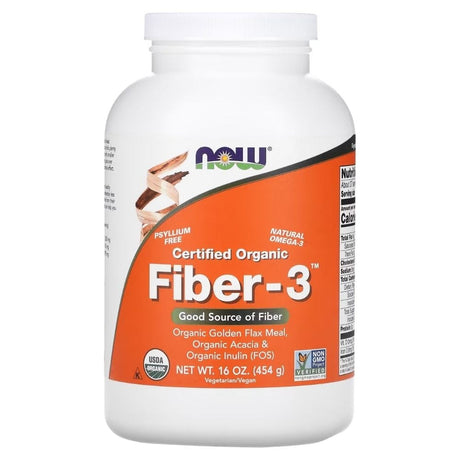
Now Foods
Now Foods Fiber-3, Fibre alimentaire en poudre - 454 g
Prix habituel €19.09Prix unitaire€42.05 /kg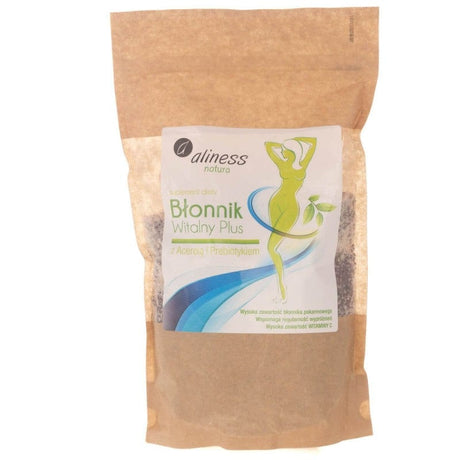

Aliness
Aliness Nature Dietary Fibre PLUS avec Acerola et Fibregum - 500 g
Prix habituel €11.69Prix unitaire€23.38 /kg

Purelab Marek Skoczylas
Skoczylas Fibre de Plantain, Cassis et Pomme - 200 g
Prix habituel €11.79Prix unitaire€58.95 /kg


Fibres et gestion du poids
Un apport adéquat en fibres est systématiquement associé au maintien d’un poids sain dans les études de population. Les mécanismes sont multiples et bien compris : les fibres solubles ralentissent la vidange gastrique et prolongent la satiété; les fibres insolubles augmentent le volume des repas; la fermentation prébiotique produit des AGCC qui déclenchent les hormones de satiété; et les aliments riches en fibres sont généralement plus riches en nutriments et moins caloriques que leurs équivalents raffinés. Pour ceux qui se concentrent spécifiquement sur la gestion du poids, notre gamme de produits amaigrissants comprend des options à base de fibres et favorisant la satiété, ainsi que des produits de soutien alimentaire plus généraux.
Fibres et santé intestinale
La relation entre les fibres alimentaires et le microbiome intestinal est l'un des domaines les plus actifs de la science nutritionnelle. Une alimentation riche en fibres végétales variées — fournissant différents substrats fermentescibles à différentes espèces bactériennes — est le facteur alimentaire le plus important pour la diversité du microbiome, qui est à son tour associée à une meilleure fonction immunitaire, à une meilleure santé métabolique, et à une diminution des taux de maladies inflammatoires. Les fibres prébiotiques (, l'inuline, les FOS, et la pectine) agissent en synergie avec les bactéries probiotiques. Pour un soutien complet de la santé intestinale, notre gamme pour le système digestif comprend des produits probiotiques et prébiotiques qui complètent l'apport en fibres alimentaires.
Considérations importantes
Un apport très élevé en fibres — en particulier provenant de sources supplémentaires ajoutées brusquement à un régime pauvre en fibres — peut réduire temporairement l'absorption de certains minéraux, notamment le calcium, le fer, le zinc, et le cuivre, car les fibres peuvent se lier à ces minéraux dans l'intestin. Cet effet est particulièrement important chez les personnes présentant des carences minérales existantes ou des affections telles que l'anémie ou l'ostéoporose. Une augmentation progressive de l'apport en fibres, répartie sur plusieurs repas plutôt que concentrée en une seule prise, minimise cet effet. Les vitamines liposolubles (A, D, E, K) peuvent également être affectées en cas d'apports très élevés en fibres, bien que cela soit moins significatif sur le plan clinique à des niveaux d'apport réalistes.
Cet article est fourni à titre informatif et ne remplace pas un avis médical. En cas de problème de santé, de grossesse, d’allaitement ou de prise de médicaments, consultez un médecin ou un pharmacien. Les compléments alimentaires ne remplacent pas une alimentation variée.


