

Les pommes au four au miel et aux noix sont un dessert préparé depuis des générations en Europe centrale et septentrionale — et pour cause. La recette est d’une simplicité enfantine: elle utilise des ingrédients que vous avez probablement déjà sous la main, ne nécessite pas de sucre raffiné et embaume la cuisine d’un des parfums les plus réconfortants de la cuisine automnale. Au-delà de l'attrait sensoriel, les ingrédients clés — pommes, noix, miel et cannelle — ont chacun une histoire nutritionnelle intéressante qui mérite d'être racontée. Pourquoi les pommes au four méritent une place dans votre cuisine d'automne. Les pommes fraîches sont disponibles toute l'année, mais c'est en automne qu'elles sont à leur meilleur: fraîchement récoltées, croquantes et au goût intense. Une fois cuites au four, elles ramollissent et caramélisent, leurs sucres naturels se concentrent, et leur arôme s'intensifie considérablement. Cette transformation en douceur rend également leurs nutriments plus accessibles : la cuisson ramollit les parois cellulaires riches en pectine, libérant davantage de fibres solubles qui favorisent la santé intestinale et contribuent à un taux de cholestérol normal. Les pommes contiennent de la quercétine, un antioxydant flavonoïde présent en plus forte concentration dans la peau. La quercétine est l'un des composés végétaux les plus étudiés pour ses propriétés anti-inflammatoires et son rôle dans le soutien d'une fonction immunitaire normale — ce qui est particulièrement pertinent au moment du changement de saison. Elles fournissent également de la vitamine C, du potassium, et de l'acide malique (l'acide organique qui donne aux pommes leur acidité caractéristique), ainsi que de la pectine, une fibre soluble qui agit comme substrat prébiotique pour les bactéries intestinales.
Les ingrédients : simples et riches en nutriments
La beauté de cette recette réside dans le fait que chaque ingrédient a sa place non seulement pour son goût, mais aussi pour son apport nutritionnel.
Les noix sont les seules noix à présenter une teneur significative en ALA ((acide alpha-linolénique)), un acide gras oméga-3 d'origine végétale. Elles fournissent également du magnésium, de la vitamine E, et des polyphénols dont l'activité antioxydante est bien documentée. Les recherches associent systématiquement la consommation régulière de noix à des marqueurs de santé cardiovasculaire et à un profil lipidique sain.
Le miel naturel offre une douceur plus complexe que le sucre raffiné, ainsi que des traces d'enzymes, de flavonoïdes, et d'acides organiques. Dans la tradition d'Europe centrale, le miel associé à des épices réchauffantes est depuis longtemps associé au renforcement immunitaire en automne et en hiver — et bien qu'il ne faille jamais surestimer les remèdes à base d'un seul aliment, cette tradition repose sur une véritable justification biologique.
La cannelle est l'une des épices les plus étudiées en sciences de la nutrition. Des recherches suggèrent qu'elle pourrait contribuer au maintien d'une glycémie normale après les repas — un aspect important à prendre en compte lorsque l'on consomme un dessert sucré. Elle contient également du cinnamaldéhyde, qui possède des propriétés antioxydantes et anti-inflammatoires, et son arôme réchauffant rehausse véritablement les desserts cuits au four.
Pommes au four au miel et aux noix: la recette
Ingrédients (pour 4 personnes)
- 4 grosses pommes adaptées à la cuisson au four — Antonówka, Cox Orange, Cortland, ou Boskoop gardent bien leur forme; évitez les variétés très juteuses comme la Golden Delicious ou la Gala
- 4 cuillères à soupe de miel naturel
- 50 g de noix, grossièrement hachées
- 1 cuillère à café de cannelle moulue
- Ajouts facultatifs : raisins secs, canneberges séchées, amandes effilées, cardamome moulue
- 2–3 cuillères à soupe d'eau (pour le plat de cuisson)
Préparation
- Préchauffez votre four à 180 °C (chaleur tournante) (ou 190 °C (chaleur statique)). Lavez et séchez les pommes.
- À l'aide d'une cuillère à melon, d'un petit couteau bien aiguisé, ou d'un vide-pomme, évidez chaque pomme par le haut, en laissant la base intacte. Vous créez ainsi un petit creux pour accueillir la garniture — visez une cavité d'environ 3 à 4 cm de profondeur et 3 cm de largeur.
- Remplissez généreusement chaque pomme d'une cuillère à soupe de miel, d'une portion de noix hachées, et d'une pincée de fruits secs (facultatif) si vous en utilisez. Saupoudrez chaque pomme d'une généreuse pincée de cannelle.
- Placez les pommes debout dans un plat allant au four. Ajoutez 2 à 3 cuillères à soupe d'eau au fond du plat — cela crée un peu de vapeur qui empêche les pommes de se dessécher et produit une sauce légère au fond du plat.
- Faites cuire au four pendant 20 à 25 minutes, jusqu'à ce que les pommes soient tendres lorsque vous les piquez avec un couteau, mais qu'elles conservent leur forme. La peau doit être légèrement ridée et la garniture bouillonnante. Les pommes plus grosses peuvent nécessiter 30 à 35 minutes.
- Servez chaud, en nappant d’une cuillerée du jus de cuisson.
La recette se prête à de nombreuses variantes : essayez les noix de pécan à la place des noix, le sirop d’érable à la place du miel, ou ajoutez une pincée de cardamome moulue ou d’anis étoilé en plus de la cannelle. Pour ceux qui préparent ce dessert pour des enfants allergiques aux fruits à coque, remplacez les noix par un mélange de raisins secs, de canneberges séchées et de flocons d'avoine — toujours délicieux et sans danger pour tous.
Les restes se conservent bien au réfrigérateur pendant 2 jours et se réchauffent en 5 à 10 minutes dans un four à température modérée. Ils constituent également un excellent petit-déjeuner le lendemain matin, froids ou réchauffés.
Le pont nutritionnel: De la cuisine au complément alimentaire
Les phytonutriments présents dans cette recette — la quercétine de la peau de pomme, les polyphénols des noix et du miel, les composés bioactifs de la cannelle — nous rappellent utilement que les aliments traditionnels de l'automne et les préoccupations traditionnelles en matière de bien-être sont étroitement liés. Ce sont les types de composés que la recherche en nutrition a étudiés le plus en profondeur pour leur rôle dans le soutien d’une fonction immunitaire normale et de la défense antioxydante.
Pour ceux qui souhaitent un soutien antioxydant constant tout au long de l’année, au-delà de ce que l’alimentation seule peut apporter, les compléments alimentaires standardisés à base de quercétine constituent l’un des choix les mieux étaynés par la science dans cette catégorie. La quercétine est le principal flavonoïde responsable de nombreuses propriétés anti-inflammatoires et de soutien immunitaire attribuées aux pommes, aux oignons et aux baies — et sous forme de complément, elle peut être prise à des doses pertinentes pour la recherche, indépendamment de la disponibilité saisonnière des sources alimentaires. Découvrez notre collection d'antioxydants https://medpak.shop/collections/antioxidants :
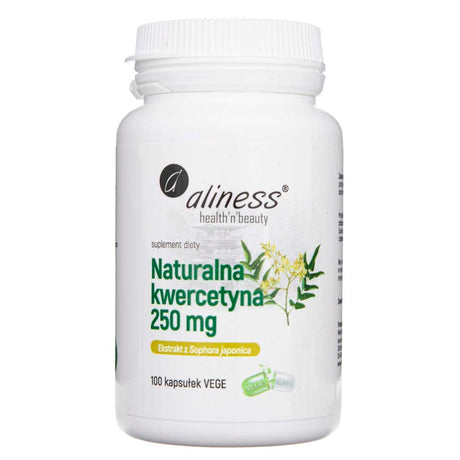


Aliness
Aliness Quercétine naturelle 250 mg - 100 Veg Capsules
Prix habituel €16.09Prix unitaire€0.16 pièce


Hepatica
Hepatica Quercétine 316 mg - 120 Veg Capsules
Prix habituel €14.89Prix unitaire€0.12 pièce


Solgar
Solgar Complexe de Quercétine avec Ester-C Plus - 100 Veg Capsules
Prix habituel €29.59Prix unitaire€0.30 pièce


La cannelle présente dans cette recette est associée à un domaine spécifique et bien étudié: la régulation de la glycémie après les repas. Pour ceux qui souhaitent soutenir une fonction métabolique normale tout en profitant de sucreries naturelles, notre collection dédiée au système immunitaire et au bien-être saisonnier rassemble les compléments alimentaires les plus pertinents pour l'automne et l'hiver — de l'échinacée et la propolis à la vitamine C et au zinc:


Now Foods
Now Foods Echinacea 400 mg - 100 Veg Capsules
Prix habituel €9.49Prix unitaire€0.09 pièce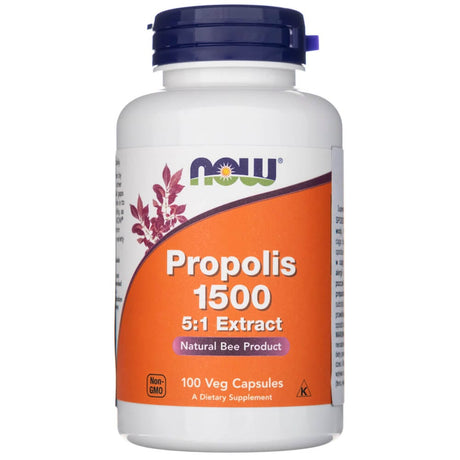


Aliness
Aliness White Mulberry 4:1 with Cinnamon and Chromium - 180 Tablets
Prix habituel €12.09Prix unitaire€0.07 pièce


Cet article est fourni à titre informatif et ne remplace pas un avis médical. En cas de problème de santé, de grossesse, d’allaitement ou de prise de médicaments, consultez un médecin ou un pharmacien. Les compléments alimentaires ne remplacent pas une alimentation variée.


